

Understanding the Psychology of Bluffing
Bluffing is a fundamental aspect of poker that transcends mere strategy; it delves into the psychology of both the player and the opponent. To be a successful bluffer, one must understand the human mind’s intricacies, particularly how opponents perceive strength and weakness. When you bluff, you essentially create a narrative that your hand is stronger than it is, compelling your opponents to fold their potentially superior hands. Therefore, players interested in enhancing their skills often consider various resources, including canadian betting sites , which provide insights into effective strategies and techniques. Thus, recognizing cues in your opponents’ behavior, such as hesitation or confidence, can give you valuable insights into when to execute a bluff.
Moreover, successful bluffing often hinges on your table image. If you have established yourself as a tight player who only plays strong hands, your bluffs are likely to carry more weight. Conversely, if you’ve been overly aggressive, your opponents may call your bluffs more readily, anticipating your attempts to deceive them. This duality highlights the critical nature of maintaining a consistent playing style, enabling a higher success rate in your bluffing endeavors.
Equally important is the context of the game itself; tournament phases, chip stacks, and player dynamics all influence bluffing opportunities. For example, during early stages of a tournament with deep stacks, players may be less inclined to fold, knowing they have ample time to recover. In contrast, as players start to feel the pressure from increasing blinds, effective bluffs may yield higher success rates. Understanding these dynamics is essential in mastering the art of bluffing.
Recognizing the Right Moments to Bluff
Timing your bluffs is crucial to their effectiveness. A bluff should never be executed randomly but rather strategically, taking into account various situational factors. One of the critical moments to consider bluffing is when the board texture changes dramatically, presenting a scenario where you can credibly represent a strong hand. For instance, if four cards of the same suit are on the board, a well-timed bluff can convince your opponents that you are chasing a flush, prompting them to fold weaker hands.
Another moment that can be opportune for bluffing is when you find yourself in a heads-up situation against an aggressive opponent. In such scenarios, they may frequently bet or raise, creating an environment where a well-placed bluff can turn the tide. By anticipating your opponent’s next move and recognizing moments of weakness, you can masterfully exploit their aggression, yielding positive results in your chip stack.

Additionally, the concept of “reverse tells” should be considered. By acting in a manner that seems uncharacteristic of your play style, you can create doubt in your opponent’s mind. For instance, if you typically play conservatively but suddenly take a daring action on a particular hand, it may lead your opponents to question their assumptions about your hand. Recognizing these moments, combined with an understanding of your opponents’ tendencies, can elevate your bluffing game to new heights.
Mastering the Techniques of Bluffing
To bluff effectively, you must employ a variety of techniques tailored to different situations. One common technique is the “semi-bluff,” where you bet or raise with a drawing hand that has the potential to improve on subsequent streets. This type of bluff is particularly useful because even if your bluff is called, you still have the chance to make your hand, allowing you to retain some equity. By leveraging semi-bluffs, you can maintain aggression while minimizing risk, ultimately increasing your chances of success.
Another technique is the “pure bluff,” where you bet with a hand that has no chance of winning, relying solely on your ability to convince your opponent to fold. This type of bluff requires confidence and careful calculation. It is essential to assess factors such as pot odds, your opponent’s playing style, and the overall dynamics at the table before making this move. The key to a successful pure bluff is to project confidence and conviction, making your opponent more likely to believe in the strength of your hand.
Additionally, timing and bet sizing are critical elements of bluffing. A well-timed bluff with an appropriate bet size can create the illusion of strength. If your bet is too small, it may invite calls from curious opponents; if it’s too large, it might raise suspicion. Striking a balance is crucial—most seasoned players recommend sizing your bluffs similar to value bets to make your motives less transparent. By mastering these techniques, you will find yourself better equipped to navigate the complexities of bluffing.
The Role of Body Language and Tells
In poker, actions often speak louder than words. Every player communicates with their body language, voluntarily or involuntarily revealing cues about their hand strength. Recognizing these tells can significantly enhance your bluffing strategy. For instance, a player who is nervous may exhibit signs like fidgeting, while a calm demeanor could indicate confidence in their hand. By studying these behaviors, you can make more informed decisions about when to bluff and when to fold.
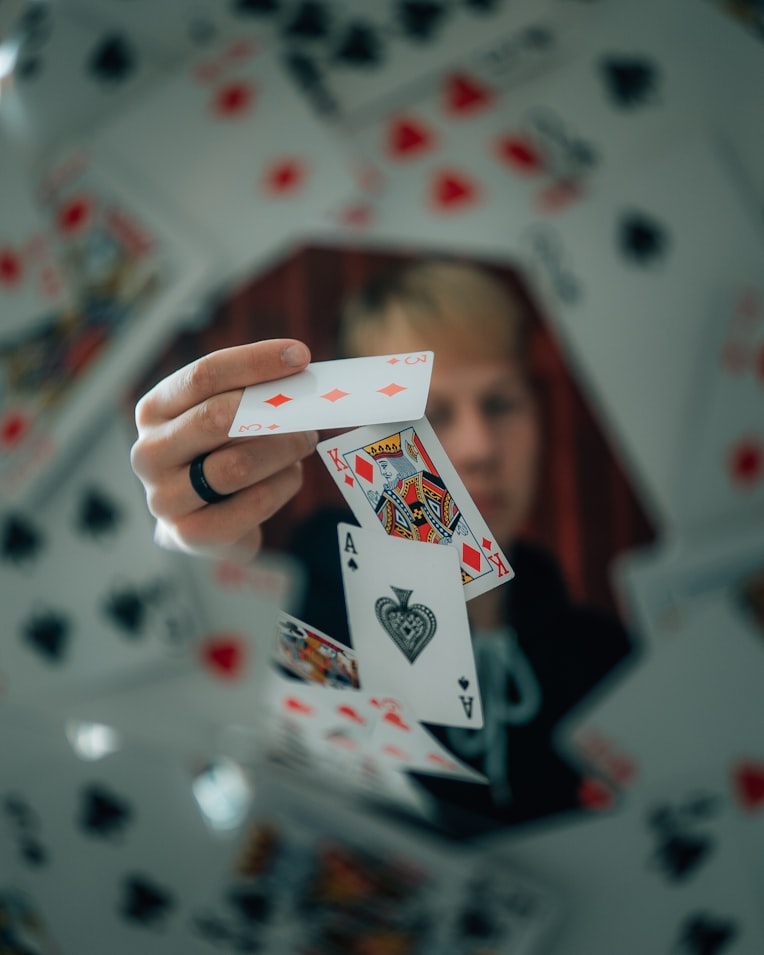
Moreover, managing your own body language is just as crucial as reading others. You need to project confidence and strength when bluffing. Avoiding excessive movements or signs of discomfort will help keep your opponents uncertain about your hand. Some players even develop specific habits or mannerisms during strong hands that can be exaggerated or downplayed while bluffing, allowing them to construct a believable façade.
As you practice and grow more experienced, learning to detect these tells and mastering your own body language will become integral parts of your bluffing arsenal. Remember that poker is a game of incomplete information, and leveraging psychological warfare by manipulating body language can turn the tide in critical tournament moments.
Your Ultimate Resource for Poker Mastery
To master the art of bluffing in poker tournaments, it is essential to continuously improve your skills and knowledge. Our comprehensive website provides an extensive array of resources to help you elevate your game. From expert articles to training videos, we cover everything you need to know about strategy, psychology, and techniques in poker. Our content is designed for novice players looking to learn the basics, as well as seasoned professionals aiming to refine their skills.
Additionally, engaging with a community of like-minded poker enthusiasts can foster your growth as a player. Our forum and discussion groups allow players to share experiences, strategies, and insights into their bluffing tactics. Collaborating with others ensures that you remain informed about the latest trends, techniques, and strategies that can enhance your gameplay.
As you embark on your journey to master bluffing in poker tournaments, remember that practice, analysis, and a willingness to learn are vital components of improvement. Our website serves as your trusted companion in this endeavor, equipping you with the knowledge and community support necessary to refine your skills and become a formidable player at the poker table.